
Southeast Asia’s next phase of economic growth may not come from factories or fintech alone, but from something far more elemental: food. Across the region, food sits at the intersection of livelihoods, culture, climate resilience, and digital adoption. Innovating food platforms—how food is produced, distributed, financed, and consumed—has become a strategic lever for ASEAN’s long-term growth.
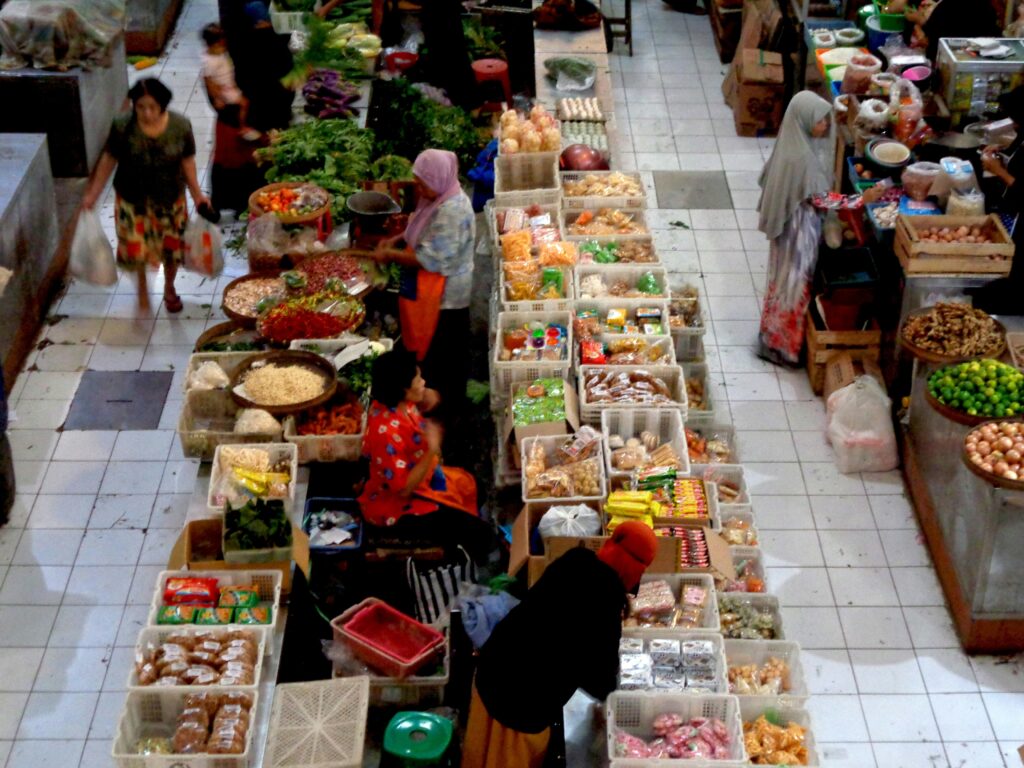
The region feeds more than 680 million people and employs a significant share of its workforce in agriculture, fisheries, logistics, and food services. Yet much of this system remains fragmented, analog, and vulnerable to shocks—from climate volatility to supply chain disruptions. Digital and platform-based innovation offers a way to turn these structural weaknesses into competitive advantages.
Modern food platforms go beyond delivery apps. They integrate farmers, processors, distributors, retailers, and consumers into shared digital infrastructure. When smallholders gain access to real-time pricing, demand forecasts, embedded finance, and logistics coordination, productivity rises and waste falls. This is especially powerful in ASEAN, where millions of micro-producers operate below efficient scale but collectively represent enormous economic value.
Food platforms also accelerate inclusive growth. By lowering barriers to market access, they allow rural communities to participate directly in urban and cross-border demand. A vegetable farmer in Mindanao, a rice cooperative in Vietnam, or a fisheries group in Indonesia can plug into regional value chains without relying solely on intermediaries. The result is higher incomes, better price transparency, and stronger local economies.
From a macro perspective, food innovation strengthens regional resilience. ASEAN is both a major food producer and a fast-growing consumer market. Platform-driven efficiencies reduce import dependence, stabilize prices, and improve food security—critical as climate risks intensify. At the same time, data-rich food systems enable smarter policy decisions, from crop planning to disaster response.
There is also a cultural and export dimension. ASEAN cuisine is globally influential, yet much of its value is captured downstream by foreign brands and platforms. Homegrown food-tech ecosystems—combining traceability, branding, and sustainability—can help ASEAN move up the value chain, exporting not just ingredients but trusted food experiences.
Ultimately, food platforms are infrastructure. Like roads or broadband, they quietly shape how value moves through the economy. For ASEAN, investing in innovative, interoperable, and inclusive food platforms is not just about feeding people more efficiently—it is about unlocking productivity, resilience, and shared prosperity across one of the world’s most dynamic regions.
Leave a Reply